On 13 March, the country entered lockdown. For a brief moment, we still hoped that the festival could take place at the end of April. However, that hope quickly faded when we saw the television images coming from Bergamo, Italy.
Offering the 2020 edition of AFF largely online would have been an option. However, we feared that not all filmmakers would grant permission for online screenings, which would have left us with only part of the programme.
Moreover, we felt that the unique strength of AFF lies precisely in its engagement with audiences: people watching films together and sharing their experiences and reflections. This was even more true for the many small-scale screenings organised in neighbourhoods and community centres. Nevertheless, we decided to make a number of audience favourites available online each month—a selection of classic films from previous years. The initiative proved to be an unexpected success.
One of the recurring themes that AFF has explored through films, conferences, and other activities since 1996 is decolonisation. This focus was also in line with the 60th anniversary of the Democratic Republic of the Congo’s independence and with the attention AFF has devoted for many years to films from the African diaspora. Taking the COVID-19 restrictions into account, we nevertheless sought ways to pursue this objective.
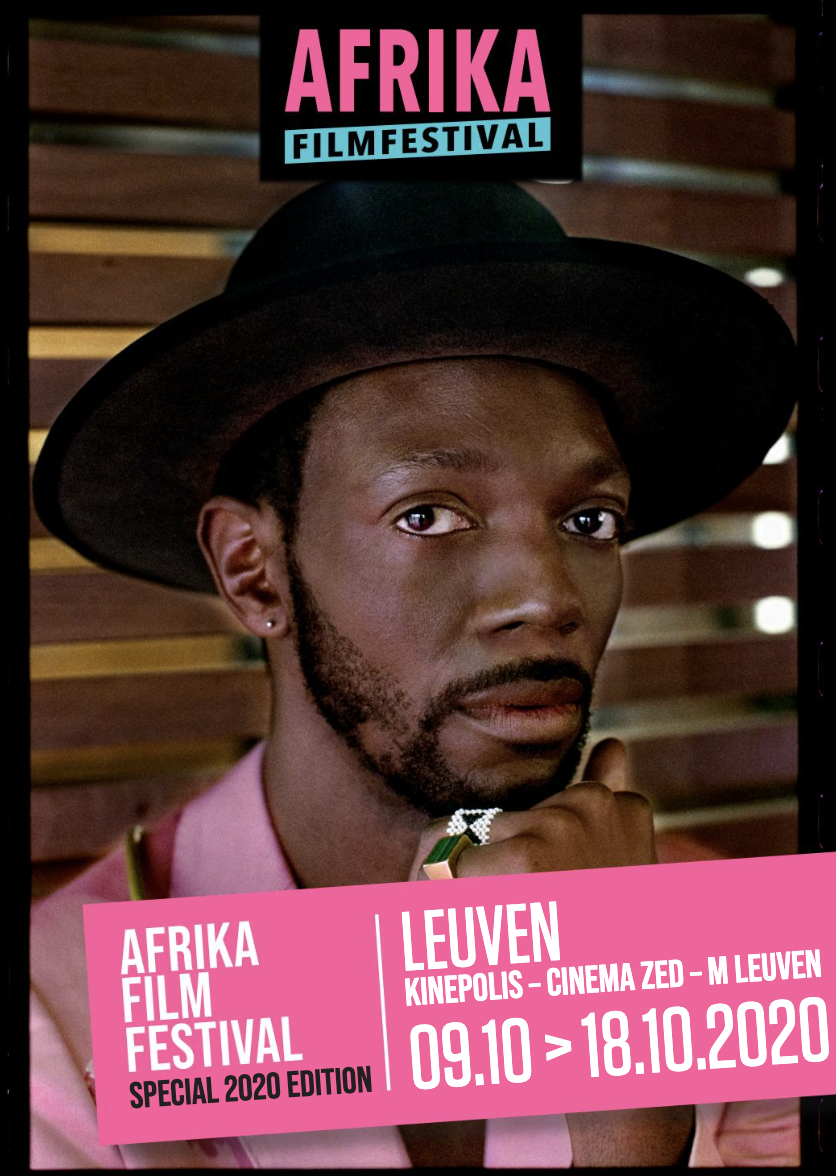
Fortunately, from July onwards, more activities became possible. In Leuven, we organised around ten city walks that examined how minds and cultures were colonised and the role that images—from statues to film—have played, and continue to play, in this process. Several of these walks concluded with outdoor film screenings, held in the courtyard of Leuven’s public library and at Stelplaats. During this special October edition of AFF, the selection of documentaries competing for the UNESCO Prize is also presented through the lens of this decolonisation journey.
We open this special edition with an evening entirely dedicated to a remarkable guest: Georges Kamanayo. From the very beginning, he has supported AFF within the cultural landscape of Flanders.
Kamanayo is an internationally recognised advocate for the rights and recognition of African mixed-race communities. On the festival’s opening night, he launches his autobiography, Between Two Worlds, and receives a Lifetime Achievement Award.
During the spring edition of AFF, we had intended to place Sudan and its film production firmly in the spotlight. Although on a much smaller scale, we have retained this focus. This edition concludes with our traditional programme of short films from the African diaspora.
This year, YAFMA goes online! The annual Guido Huysmans Young African Film Makers Award (YAFMA) shines a spotlight on emerging African filmmaking talent. Discover the selected short films—almost all of them Belgian premieres—from the comfort of your own home and help decide who will win the Audience Award.
Meanwhile, preparations for the 2021 edition are already well underway. In 2021, AFF will celebrate its 25th anniversary, and we sincerely hope that it will be possible to hold the festival under more normal circumstances.